


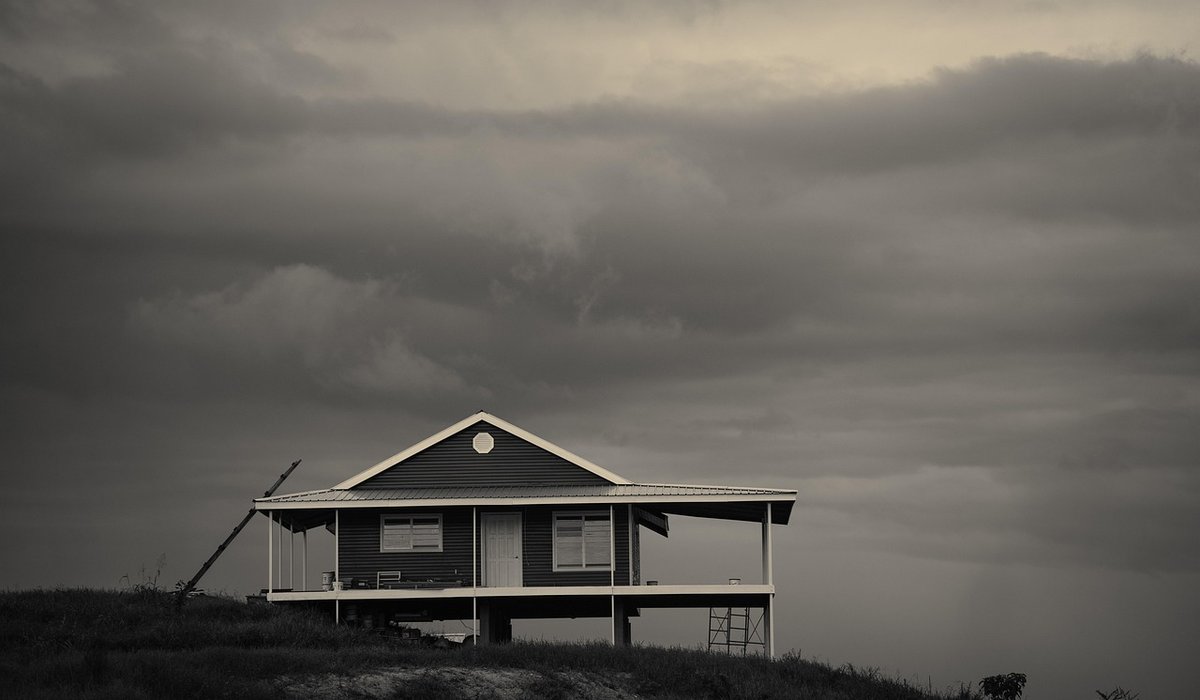
Why Heating a Garden Building Is Different
A garden shed, cabin or summerhouse loses heat far faster than a house. The walls are thinner, there is often no cavity, and the floor sits close to cold ground. A 3m x 3m cabin with single-skin timber walls can shed warmth almost as quickly as you add it, which is why choosing the right heat source matters more than simply buying the biggest heater you can find. The goal is to match the heater to the space, then reduce the heat loss so the heater does not have to work so hard.
Electric Heaters: Simple, Clean and Easy to Control
For most small garden buildings without a flue, electricity is the practical choice. It needs no fuel storage, no chimney and no ventilation worries, and you can run it from an armoured cable buried from the house or a dedicated outdoor socket on its own circuit. Size matters: as a rough guide, allow about 1kW of heating for every 10 to 15 cubic metres of well-insulated space, and double that for a bare shed. A 3m x 3m cabin with 2.2m walls holds roughly 20 cubic metres, so a 1.5kW to 2kW heater is usually plenty once the building is insulated.
- Panel convection heaters are quiet and cheap to buy, but they warm the air slowly and struggle in a draughty shed.
- Oil-filled radiators hold their heat after switching off and give a gentle, even warmth, which suits cabins used for a few hours at a time.
- Infrared or halogen heaters warm people and surfaces rather than the air, so they feel effective the moment you switch them on, even in a chilly room. They are ideal for a workshop where you stand in one spot.
- Fan heaters shift warm air quickly but are noisy and dry the air out, so they suit short bursts rather than long evenings.
- Tube heaters are low-power and often left on a thermostat to take the chill off and keep damp at bay, which protects tools and timber.
Whatever you choose, fit a thermostat and a timer. Running a 2kW heater unchecked for an evening costs a fair amount at current UK rates, whereas a thermostat set to 18°C and a timer for the hours you actually use the building can cut that bill sharply. Never rely on an extension lead for a powerful heater, and make sure the supply is protected by an RCD.
Wood Burners: Cosy, but Not Always Straightforward
Nothing beats the atmosphere of a small wood burner in a cabin, and if you have a ready supply of seasoned logs it can be economical. The catch is that a solid fuel appliance needs a proper flue, a non-combustible hearth, and adequate ventilation. In the UK, installing one in a garden building falls under building regulations, so you should check with your local authority before buying. Small stoves rated around 4kW to 5kW suit cabins of 20 to 30 cubic metres, and you must keep clearances from timber walls, often 300mm or more on the sides and rear.
Once running, a wood burner gives radiant heat that feels wonderful. But it needs feeding, it takes time to warm up, and it produces smoke, so consider neighbours and any smoke control area. For occasional winter use it is a delight; for a quick half-hour in the shed, it is overkill.
Insulation: The Upgrade That Pays for Itself
Insulation is the most cost-effective heating decision you can make, because it reduces demand at the source. A well-insulated cabin holds warmth for hours, meaning a smaller heater runs less often. Start with the roof, since heat rises, then the floor, then the walls.
- Roof: fit rigid insulation board or mineral wool between rafters, leaving a ventilated gap above to prevent condensation.
- Walls: line with insulated plasterboard or fill timber studs with mineral wool or foil-faced foam board.
- Floor: lay rigid foam boards under a floating floor or use an insulated subfloor, which makes a surprising difference to comfort underfoot.
- Draughts: seal gaps around doors and windows with brush strips and draught excluders. This is cheap and instantly noticeable.
- Glazing: add secondary glazing film or acrylic sheets over single panes, which cuts heat loss without the cost of new windows.
Together these measures can cut heat loss by half, letting a modest 1kW heater do the work of a 2kW one.
Putting It Together: A Sensible Strategy
The most efficient approach is layered. Insulate and draught-proof first, then choose a heater suited to how you use the building. For a cabin used most evenings, an oil-filled radiator or panel heater on a thermostat, backed by good insulation, keeps running costs predictable. For a workshop used in short bursts, an infrared heater warms you directly without heating the whole building. For a retreat you want to feel special, a small wood burner earns its place if regulations allow. Add a cheap thermometer and hygrometer so you can see what is actually happening, and consider a dehumidifier or tube heater on low to keep damp and mould at bay over winter.
Small Details That Keep the Warmth In
Little touches add up. Close the door behind you, use a heavyweight curtain across the entrance, and keep soft furnishings such as cushions and a rug, which absorb warmth and make the space feel cosier. If you are not using the building daily, do not heat it continuously; warm it when you need it and let insulation hold that warmth. And always prioritise safety: keep heaters clear of fabrics, service any stove annually, and have electrical work signed off by a qualified electrician. Get these basics right and even a modest garden retreat can be a genuinely comfortable place to spend a winter's afternoon.


Leave a reply