


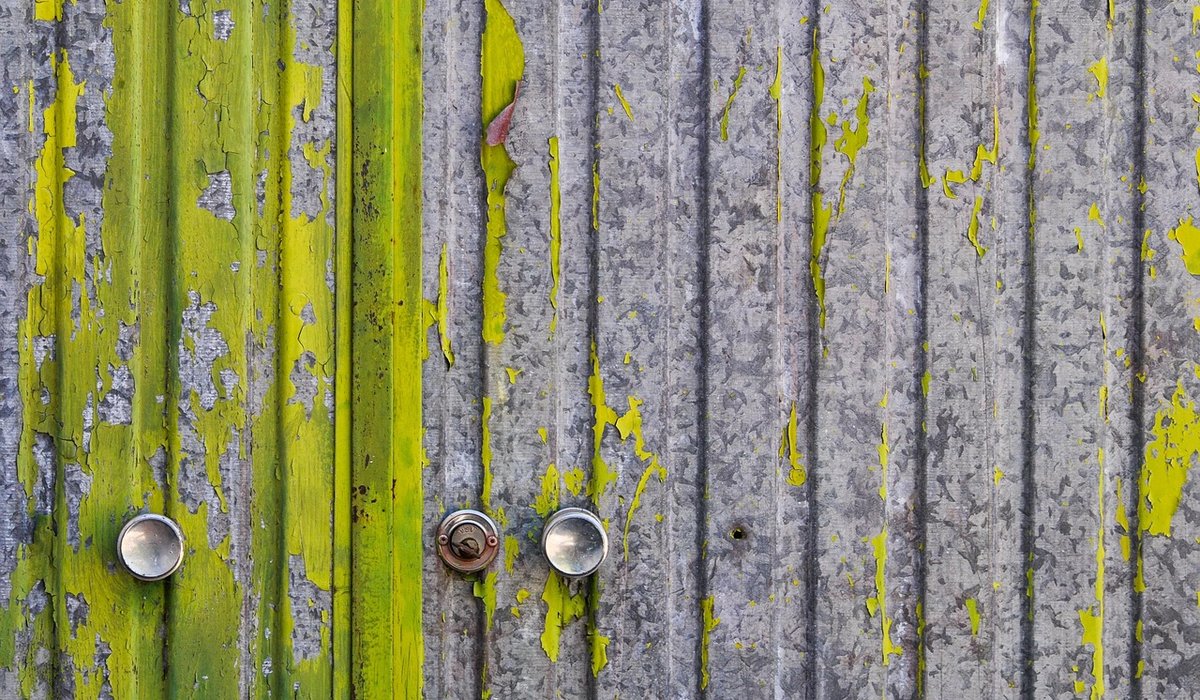
Why a shepherd hut's wooden exterior needs regular attention
A shepherd hut is built to be moved, but most spend their lives parked in one spot, quietly weathering the seasons. Wood expands and contracts with every change in humidity, paint films lose their flexibility, and rainwater finds the smallest gap. The good news is that a little routine care goes a long way. An hour or two each spring and autumn can add years to the hut's working life and help you avoid repairs that need scaffolding, a chisel and a deep breath.
Recoating painted panels: preparation is everything
Paint is the hut's waterproof jacket. When it fails, bare wood is exposed and rot begins. Aim to recoat every three to five years, or sooner if you see flaking, blistering or a chalky surface that comes off on your hand. Choose a dry, mild day with no rain forecast for at least twenty-four hours. Work when the temperature is above 10°C and humidity below 80 per cent.
- Wash first. Use a mild sugar soap solution and a soft brush to remove dirt, algae and chalking. Rinse and let the wood dry.
- Scrape and sand. Feather back flaking edges with a scraper and 120-grit paper. Sand the panel lightly with the grain to give the new paint a key.
- Prime bare wood. Any spot sanded back to timber needs a primer suited to the existing paint. End grain drinks paint, so give it extra.
- Apply two thin coats. A brush beats a roller for mouldings and corners. Two thin coats are better than one thick one. Allow drying time between coats.
If your hut is stained rather than painted, clean it and apply a fresh coat of stain or preservative. Test on a hidden patch first.
Wheel arches: the rot trap you might overlook
Wheel arches catch road spray, leaf litter and grit, and they hold moisture against the wood and chassis long after the rest of the hut has dried. Check them at least twice a year.
- Clear out mud, leaves and cobwebs with a stiff brush. A plastic scraper helps without scratching paint.
- Look for soft spots, cracking paint or dark staining inside and out. Press with a screwdriver handle, not the blade, to test for rot.
- Treat bare or rusty metal with a rust-inhibiting primer, then repaint. Treat wooden sections with preservative before recoating.
- Check the arch is not rubbing the wheel or trapping water. A small drainage gap at the bottom helps.
If you find rot, cut it out rather than painting over it. A small repair now is easier than replacing a whole panel later.
Keep rainwater away from the chassis
The chassis is the hut's skeleton, usually steel. Steel and standing water are not friends. Even galvanised steel rusts if it sits in a puddle or is constantly splashed by a dripping roof. Your goal is to move water away and keep the chassis dry.
- Check the ground. The hut should sit on a hardstanding, gravel pad or sleepers that raise the chassis clear of soil and grass. If the ground slopes towards the hut, dig a shallow channel or French drain.
- Clear gutters and downpipes. A blocked outlet sends water down the side and onto the chassis. Clean them after leaf fall.
- Inspect the chassis. Crawl underneath with a torch. Wire-brush minor rust, then apply a rust-inhibiting primer and topcoat. Seek advice if rust is deep or structural.
- Improve airflow. Cross-ventilation under the floor helps keep the chassis dry and reduces condensation.
Roof, seals and a simple seasonal routine
The roof sheds most of the rain, so check seams and any metal flashing around a flue or vent. Replace perished sealant with an exterior-grade product, and keep drip edges clear so water does not run back under the roof. Window and door seals fail quietly; a new rubber gasket or a bead of silicone prevents water tracking into the frame. Check cladding corners and joints, and fill any gaps with caulk or wood filler before painting.
Twice a year, commit to a walk-round with a notebook. In spring, wash and recoat tired paint and check wheel arches after winter. In autumn, clear gutters, remove debris from the chassis area, and look for new cracks or rust. After a storm, inspect the roof and arches. Write down what you find and tackle small jobs before they become big ones. A hut kept dry, painted and ventilated will reward you with decades of quiet service, whether it is a guest retreat, a workshop or simply a place to watch the rain from the inside.


Leave a reply